If your home is served by a community water system, its Consumer Confidence Report is one of the most useful starting points for understanding the supplied water. The report is often called a CCR, annual drinking-water quality report, or simply water-quality report.
The US Environmental Protection Agency says community water systems must provide the report to customers each year by July 1. It summarizes the previous year’s water-quality information, so always check the reporting year before comparing it with a current concern.
Start with the water system and source
Confirm that the report belongs to the system serving your address. City names, mailing ZIPs, and utility brands do not always line up neatly with service boundaries. Some communities have several systems, and some utilities blend water from multiple sources.
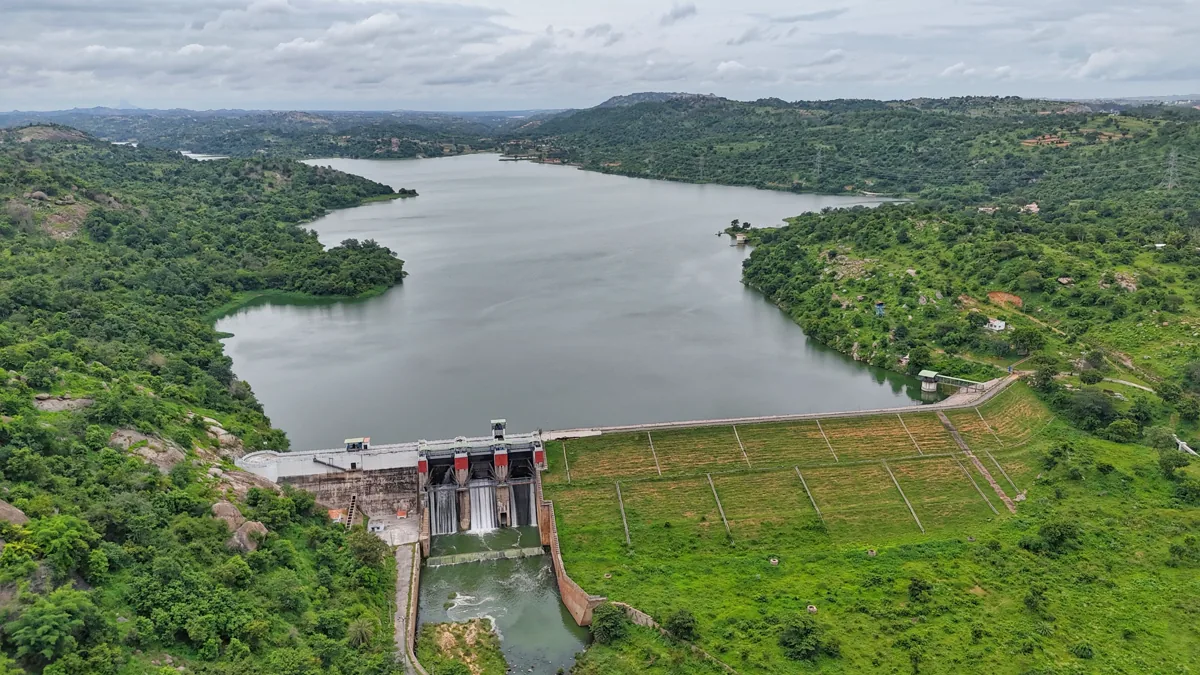
The source section may identify groundwater wells, rivers, reservoirs, lakes, purchased water, or a mixture. Source type helps explain why mineral content and treatment can differ across neighboring areas.
Read the contaminant table one column at a time
CCR table formats vary, but most include a detected level or range, a regulatory comparison, the likely source of the substance, and a compliance statement.
Common terms include:
- MCLG: Maximum Contaminant Level Goal, a non-enforceable public-health goal.
- MCL: Maximum Contaminant Level, the enforceable limit for a contaminant in public drinking water.
- MRDL/MRDLG: corresponding terms used for disinfectant residuals.
- Action Level: a concentration that triggers required treatment or other actions when the applicable sampling rule is met.
- Range: the lowest and highest reported results across samples or periods.
Do not compare two numbers until you confirm their units. Milligrams per liter, micrograms per liter, parts per million, and parts per billion differ by factors of a thousand.
Detection does not automatically mean violation
Modern laboratories can detect substances at very low concentrations. A value in the “detected” column is not automatically above a health-based limit. Compare the result with the correct regulatory benchmark and read the compliance or violation column.
The reverse is also important: “not listed” does not necessarily mean a substance was tested at your tap and found at zero. Reporting rules, monitoring schedules, waivers, non-detects, and table design all affect what appears. Missing should remain missing unless the report explains it.
Lead and copper work differently
Lead and copper monitoring often uses an action-level framework based on samples from selected customer taps. A utility may report a 90th-percentile value and the number of sites above the action level. That result is system-wide compliance information; it does not determine the lead concentration at one untested home.
Building plumbing, service-line material, water chemistry, stagnation time, and sampling procedure can all affect a tap result. If lead is a concern, follow current public-health guidance and use an appropriately certified laboratory.
Check violations and required notices
A violation can involve a contaminant limit, monitoring, reporting, treatment technique, or another requirement. Read the type, dates, corrective action, and whether the issue is resolved. A historical record is different from an unresolved current health-based violation.
If the report contains a prominent health notice or your utility issues an advisory, follow the utility and local public-health instructions. A general website summary should never override a current official notice.
Finish with three questions
After reading the report, you should be able to answer:
- Which system and source does this report cover?
- Which substances were detected, in what units, during what year, and how did they compare with the listed benchmarks?
- What remains unknown about the plumbing and water at my specific tap?
That final question tells you whether the next step is simply keeping the report, contacting the utility, checking a service-line inventory, or arranging a targeted tap test.